Leonid Meteor Shower Remains Active Until November 30; Viewing Guide For Mumbaikars
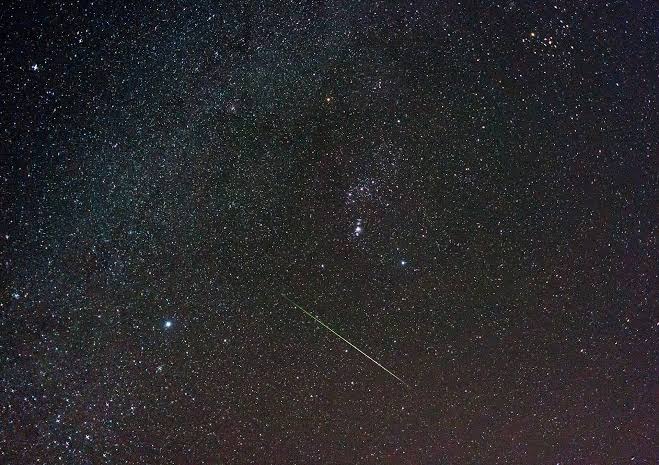
Mumbai, 19th November 2026: Stargazers and astronomy enthusiasts have an opportunity to witness the annual Leonid Meteor Shower, which remains active in the November night sky until November 30. Known for its fast-moving meteors and occasional bright fireballs, the celestial event peaked around November 17–18, with the best viewing opportunities falling during the early morning hours.
The Leonids are named after the constellation Leo, from which the meteors appear to originate. The meteor shower occurs every year when Earth passes through the debris trail left behind by Comet 55P/Tempel-Tuttle. As tiny particles enter Earth’s atmosphere at high speeds and burn up, they create bright streaks of light commonly referred to as shooting stars.
According to the International Meteor Organisation (IMO), the 2026 Leonid Meteor Shower has an expected peak rate of approximately 15 meteors per hour under ideal viewing conditions. The meteors travel at speeds of around 71 kilometres per second, making the Leonids one of the fastest annual meteor showers.
The peak activity occurred during the night of November 17–18, with the early morning hours offering better viewing conditions. For observers in Mumbai, the most favourable window was between approximately 4 am and 6 am on November 18.
Although the peak has passed, the meteor shower remains active until November 30, with lower activity expected on the following nights.
Unlike solar or lunar eclipses, the Leonid Meteor Shower does not require telescopes, binoculars or protective equipment. It can be observed with the naked eye. However, Mumbai’s artificial lighting and urban skyline can make spotting fainter meteors difficult.
For better visibility, observers can consider locations away from heavily illuminated areas, with minimal light pollution and an unobstructed view of the sky. Places such as Bhandardara, Igatpuri, Sandhan Valley and Mahuli Fort are among the locations suggested for those willing to travel outside the city.
For a better chance of spotting the meteors, observers should choose a dark location away from streetlights and other sources of artificial lighting. Allowing the eyes around 20–30 minutes to adjust to the darkness can also improve visibility.
It is advisable to watch a wide section of the sky rather than focusing directly on the constellation Leo, as meteors can appear in different parts of the sky. Clear weather and an unobstructed view are also important for observing the event.
The Leonids are known for occasionally producing meteor storms, during which thousands of meteors can appear in an hour. However, no such major outburst is predicted for 2026.