Mumbai Hospitals Face Blood Shortage As Families Turn To Delivery Riders
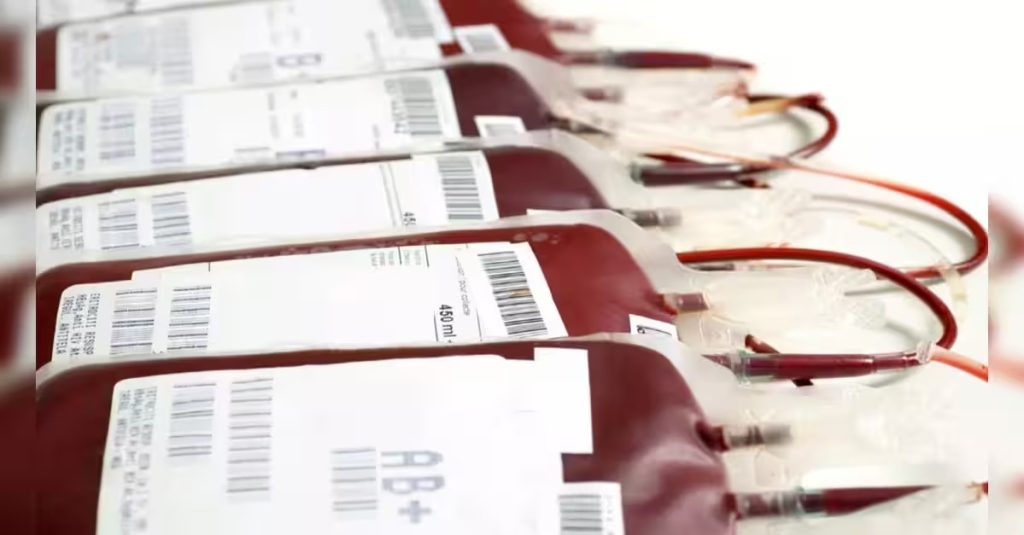
Mumbai, 23rd November 2026: A shortage of blood at blood banks across Mumbai has forced patients’ relatives to travel long distances and explore unconventional ways of transporting blood, including trains and delivery riders. The shortage has affected government and Brihanmumbai Municipal Corporation (BMC) hospitals, where demand continues to exceed the availability of blood in some facilities.
According to reports, Mumbai requires approximately 1,100 units of blood every day, as per the State Blood Transfusion Council (SBTC). However, some government and civic-run hospitals have reportedly had only 20 to 50 units available during the day, against requirements ranging from 100 to 200 units.
The shortage has left patients’ families searching across multiple blood banks to find compatible blood groups. In some cases, relatives have had to look beyond Mumbai, with reports of blood being sourced from facilities located 50 to 60 kilometres away.
One such case involved Sandeep Kumar, a business process outsourcing (BPO) employee whose colleague was admitted to Sion Hospital. After trying unsuccessfully to arrange the required blood, Kumar and his colleagues eventually located the necessary blood group at a blood bank in Thane.
Kumar arranged for a delivery rider to transport a sample for cross-matching and another rider to bring the blood unit. The incident highlights the logistical difficulties families can face when blood is not readily available at the hospital treating a patient.
However, transporting blood requires strict temperature control. Whole blood and packed red blood cells (PRBCs) must generally be stored between 2°C and 6°C. Temperatures outside the prescribed range can encourage bacterial growth or affect the quality and effectiveness of the blood. Therefore, sourcing blood from another location also requires appropriate handling and storage throughout transportation.
The report also highlights a recurring pattern of shortages during holidays and festive periods, when blood collection can become insufficient to meet hospital requirements. A public appeal by the director of Tata Memorial Hospital reportedly prompted a large response from potential donors, but the shortage had not been fully resolved.
The responsibility for arranging blood for transfusion should not fall entirely on patients’ relatives. The National Blood Policy places the responsibility on institutions recommending transfusions to arrange blood for their patients through licensed blood centres.
The shortage has exposed the challenges faced by families who must coordinate between hospitals and blood banks while managing the urgency of medical treatment. With Mumbai requiring around 1,100 units daily, ensuring adequate stocks, effective collection drives and reliable distribution remains essential to reducing the burden on patients and their families.