Dharavi Redevelopment to Follow Singapore, Hong Kong Model; First Phase Targeted for 2028
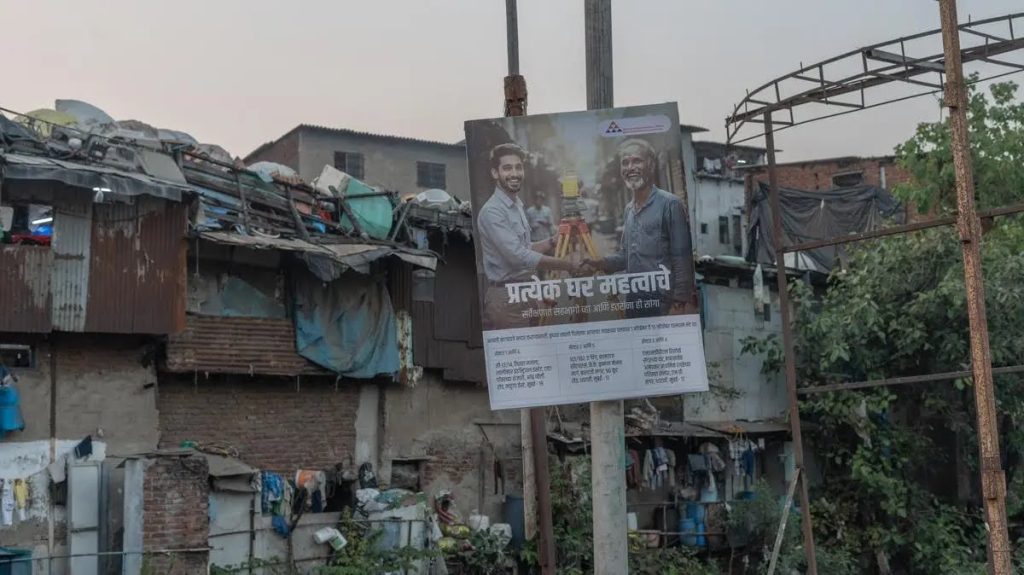
Mumbai, 9th June 2026: The Maharashtra government has directed officials to transform Dharavi into a modern urban township inspired by the housing models of Singapore and Hong Kong, while preserving the area’s unique social and economic fabric. The announcement came during a review meeting of the Dharavi Redevelopment Project chaired by Chief Minister Devendra Fadnavis on Monday.
The Chief Minister emphasized that the redevelopment must prioritize residents, their livelihoods, and the cultural identity of the area. He instructed officials to ensure that at least 10,000 homes are handed over to eligible residents by 2028 as part of the project’s first phase.
Speaking during the meeting at Sahyadri Guest House, Fadnavis said that while commercial development would be an important component of the project, public welfare should remain the primary focus. He stressed the need to protect existing businesses and employment opportunities in Dharavi, which is known for its thriving small-scale industries.
According to officials, rehabilitation buildings in Dharavi are expected to be completed within 42 months, while the first phase of redevelopment is scheduled for completion by March 2028. The entire project is planned to be executed over the next ten years.
The redevelopment blueprint includes the construction of residential and commercial complexes on the existing Dharavi bus depot land. A major multimodal transport corridor is also proposed, integrating metro networks with the Western, Central, and Harbour railway lines. Future connectivity with Mumbai’s bullet train station is also being considered.
One of the key features of the plan is the development of airport-linked infrastructure. Authorities have proposed a city check-in facility where passengers can complete baggage formalities before travelling to the airport via an Airport Express service. Plans for a water transport jetty and future air taxi services are also under consideration.
The project further aims to create green zones in Dharavi and surrounding areas, including Bandra-Kurla Complex (BKC), while improving pedestrian infrastructure and public spaces.
Officials also addressed concerns raised by residents of Kumbharwada, a historic pottery hub and a popular destination among foreign tourists. Authorities assured that the area’s distinct identity and traditional occupation would be preserved while finalising redevelopment plans.
The Dharavi Redevelopment Project is considered one of the largest urban renewal initiatives in India and is expected to significantly reshape Mumbai’s landscape while improving living conditions for thousands of residents.