Drought-Hit Maharashtra Schools Face Midday Meal Funding Crisis Amid Four-Month Delay
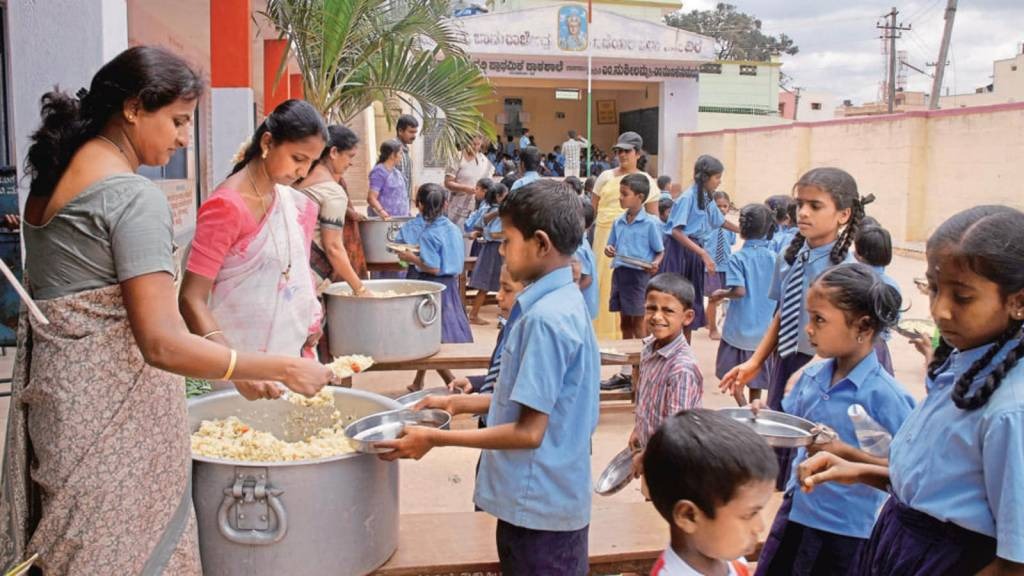
Mumbai, 12th October 2026: Government school teachers and headmasters across Maharashtra have reportedly been spending money from their own pockets to ensure students continue receiving midday meals, with funding under the PM POSHAN scheme remaining delayed for the past four months. The situation comes amid drought conditions affecting nearly 70% of the state, adding to concerns over food security and nutrition among children from rural families.
The delay is being attributed to technical issues linked to the implementation of the Centre’s Single Nodal Agency (SNA) system, known as SPARSH. Difficulties in integrating central and state funds into the new system have reportedly held up payments since the beginning of the academic year.
While foodgrains and pulses continue to reach schools, teachers in districts including Beed and Wardha have been paying for cooking gas, firewood, vegetables and other ingredients needed to prepare meals. The expenses are being met privately to prevent the disruption of a programme that provides daily nutrition to students in government schools.
The financial strain is particularly significant in drought-affected areas, where falling agricultural incomes have made it difficult for many families to afford nutritious meals. For some children, the food served at school remains an important source of daily nutrition.
The delay has also affected approximately 1.58 lakh cooks and helpers employed under the scheme, who have reportedly gone without salaries for four months. Many of these workers depend on these payments for their livelihoods.
Teachers have also raised concerns over the amount allocated per student for cooking expenses. Schools reportedly receive ₹2.59 per day for each child in Classes 1 to 5 and ₹3.71 for students in Classes 6 to 8. Staff members have questioned whether these amounts are sufficient to cover fuel and vegetables amid rising costs.
The funding delay has raised questions about the administration of a scheme designed to support school attendance and children’s nutrition. Although the programme’s food supplies have continued, the burden of meeting cooking expenses has shifted to school staff.
With drought conditions putting additional pressure on rural households, teachers and meal workers are awaiting the release of pending funds and salaries to ensure the scheme can continue without placing further financial strain on those running it.