
Mumbai Airport Travel Gets Easier as Metro Line 3 Offers Direct Connectivity to Terminal 1
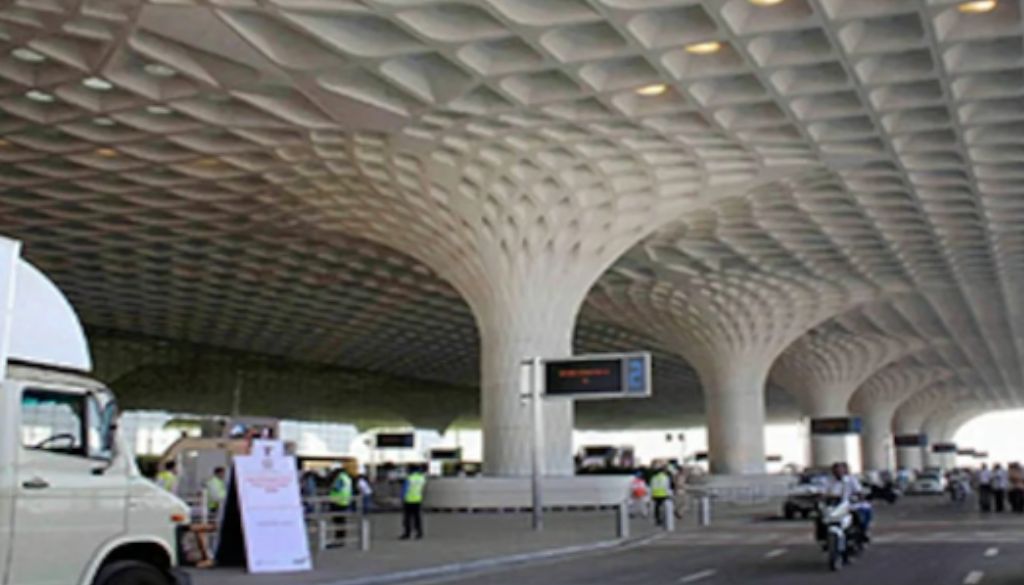
Mumbai, 1st September 2026: Travelling to Mumbai’s Chhatrapati Shivaji Maharaj International Airport is becoming more convenient with Mumbai Metro Line 3, also known as the Aqua Line, providing connectivity to Terminal 1 (T1). The underground metro station, along with pedestrian access to the terminal, is aimed at making airport travel more seamless while reducing dependence on road transport.
The CSMIA Terminal 1 Metro Station on Mumbai Metro Line 3 allows passengers to travel towards the domestic terminal by metro and use the designated pedestrian access to reach the airport. The connectivity offers an alternative to taxis, private cars and airport shuttle services, particularly for commuters travelling during peak traffic hours.
The development is particularly significant for passengers travelling from major parts of Mumbai. Metro Line 3 connects several important commercial and residential areas, including South Mumbai, Worli, Dadar, Bandra-Kurla Complex (BKC), Andheri and the airport corridor.
A Step Towards Seamless Airport Connectivity
For years, reaching Mumbai airport during peak traffic hours has been challenging, with road congestion often making travel times unpredictable. The underground metro connection is expected to provide passengers with a more reliable public transport option for reaching the airport.
The T1 station forms part of the broader underground Metro Line 3 corridor, which connects key transport hubs across Mumbai. The airport corridor includes stations serving both Terminal 1 and Terminal 2, strengthening public transport access to one of India’s busiest aviation hubs.
Reduced Dependence on Cabs
One of the key advantages of metro connectivity is that it reduces passengers’ dependence on road-based transport for their airport journey. Travellers from different parts of the city can now use the metro for a substantial portion of their journey, potentially avoiding congestion on roads leading to the airport.
The service is expected to be particularly useful for office-goers, frequent flyers and domestic passengers travelling with manageable luggage.
Part of Mumbai Airport’s Multimodal Transport Network
The metro connectivity is also part of a broader effort to integrate Mumbai airport with the city’s multimodal transport network. Better integration between air, metro, road and other public transport systems is expected to improve passenger movement and accessibility.
The airport’s long-term development plans include greater integration with public transport infrastructure, with metro connectivity playing an important role in improving access to the terminals.
Relief for South and Central Mumbai Commuters
The metro connection could prove particularly useful for passengers travelling from South and Central Mumbai. Instead of relying entirely on road transport and dealing with unpredictable traffic, commuters can access Metro Line 3 and travel towards the airport through the underground rail corridor.
The improved connectivity is expected to benefit travellers from areas including Churchgate, Mumbai Central, Mahalaxmi, Worli, Dadar, Dharavi, BKC and Andheri, among other areas served by the Metro Line 3 network.
A New Era for Mumbai’s Public Transport
The airport metro connection represents an important step in Mumbai’s approach to urban mobility. Integrating airports with the city’s expanding mass-transit network can reduce dependence on private vehicles and provide passengers with more predictable travel options.
As Mumbai continues to expand its metro infrastructure and airport facilities, convenient public transport access is likely to play an increasingly important role in easing road congestion and improving the overall travel experience.
With Metro Line 3 connecting passengers to Terminal 1, Mumbai’s airport commute is taking another step towards becoming faster, more seamless and less dependent on road traffic.