Mumbai’s Coastal Advertising Plan Faces Questions Over Environmental Clearances

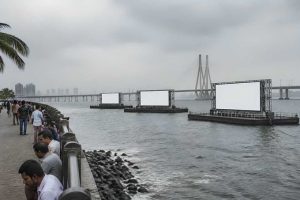
Mumbai, 30th October 2026: The Maharashtra Maritime Board’s (MMB) plan to introduce floating advertising barges and hoardings along Mumbai’s coastline has triggered opposition from political leaders, residents and environmental activists, with concerns over the city’s waterfront aesthetics, light pollution and coastal ecology.
The MMB has invited tenders for advertising installations at around 20 locations across the Mumbai Metropolitan Region (MMR), including Juhu Beach, Lotus Jetty in Worli and the area near the Bandra-Worli Sea Link. Other proposed locations include Carter Road and Marve Jetty. The initiative aims to generate revenue for port facilities and water transport infrastructure.
Shiv Sena (UBT) leader Aaditya Thackeray has criticised the proposal, calling it irresponsible and alleging that it could benefit advertising contractors at the cost of Mumbai’s visual character. In a letter to Chief Minister Devendra Fadnavis dated 28th October, Thackeray urged the government to intervene and stop the plan.
Thackeray argued that Mumbai’s coastline is already affected by pollution and that adding illuminated advertising structures would further obstruct views of the sea. He also called for restrictions on excessively bright LED hoardings, particularly those that affect residents at night.
Maharashtra Ports and Fisheries Minister Nitesh Rane, however, has defended the initiative, maintaining that the proposal involves only four hoardings: two existing and two new, and that the installations would not damage marine views or the environment. The minister has said the advertising structures would comply with applicable standards and regulations.
Environmental concerns have also emerged over the possible effects of illuminated displays on marine life and coastal biodiversity. Marine experts have warned that artificial lighting, noise from generators and activity around floating structures could disturb marine organisms and birds. Residents’ groups have also questioned the commercialisation of beaches and promenades, arguing that these spaces should retain their public and recreational character.
The proposal has additionally raised questions over regulatory clearances. Reports have said the Maharashtra Coastal Zone Management Authority flagged concerns about the absence of Coastal Regulation Zone clearances for the proposed installations.
The tenders are intended to allow private agencies to install, operate and maintain the advertising structures under a Design, Build, Finance, Operate and Maintain model, with revenue accruing to the maritime board.
With the proposal facing growing scrutiny, the debate centres on whether revenue generation for infrastructure can be pursued without compromising Mumbai’s coastal environment, public spaces and views of the sea.