Supreme Court Highway Safety Crackdown: Maharashtra Orders Removal of Illegal Dhabas Within 60 Days
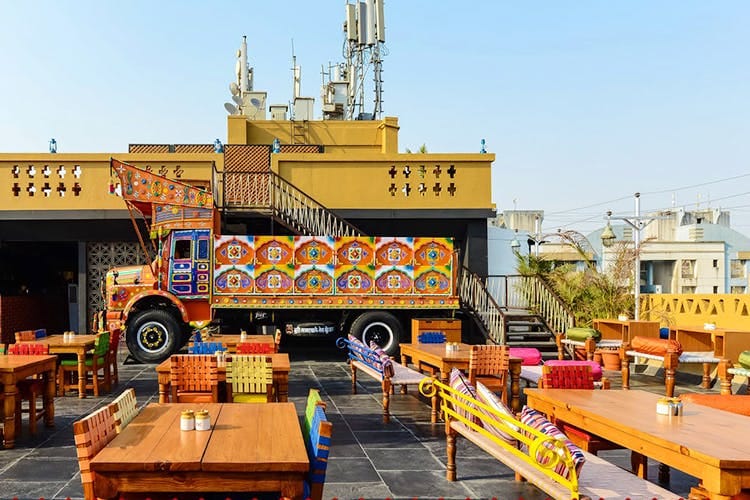
Mumbai, 11 August 2026: The Maharashtra government has ordered the removal of unauthorised dhabas, eateries and other commercial structures located within the Right of Way (ROW) of National Highways across the state within 60 days, following directions issued by the Supreme Court to strengthen highway safety.
The action follows the Supreme Court’s April 2026 directions in connection with serious road accidents and concerns over encroachments, illegal parking and roadside structures creating hazards for motorists. The court has emphasised that commuter safety is an integral part of the right to life under Article 21.
Restrictions on new construction
Under the directions, authorities have been instructed to prevent new dhabas, eateries and commercial establishments from coming up within the highway’s Right of Way. The state is also required to notify restrictions on changes in land use within 40 metres of the highway’s midpoint for residential use and 75 metres for commercial use.
The move is aimed at preventing roadside commercial activity and parked heavy vehicles from creating dangerous situations for highway users. The Supreme Court has also directed authorities to review existing permissions, licences and no-objection certificates associated with activities in highway safety zones.
Phalodi accident prompted action
The Supreme Court’s intervention came after a series of fatal road accidents, including the November 2025 Phalodi accident in Rajasthan, which formed part of the court’s suo motu proceedings on highway safety. The court subsequently issued nationwide directions to address systemic safety concerns on National Highways.
Several safety measures ordered
Apart from removing unauthorised structures, the directions include:
Regular inspections and removal of highway encroachments.
Review of existing licences and permissions.
Formation of district-level highway safety task forces.
Regular highway patrolling by dedicated teams.
Action against illegal parking, particularly by heavy and commercial vehicles.
Regular surveillance and monitoring of National Highways.
Identification and publication of accident-prone black spots.
Installation of speed cameras, warning signs, road markings and improved lighting at critical locations.
Emergency response facilities, including ambulances and rescue equipment, along highway stretches.
The Supreme Court has also directed authorities to strengthen surveillance and enforcement mechanisms to ensure that National Highways remain safe and free from hazardous encroachments.
The Maharashtra government’s 60-day deadline now puts the responsibility on local authorities to identify and remove unauthorised structures and ensure compliance with the court’s highway safety directions.