Mumbai Tanker Strike Called Off After CM Fadnavis Assures Resolution of Operators’ Concerns
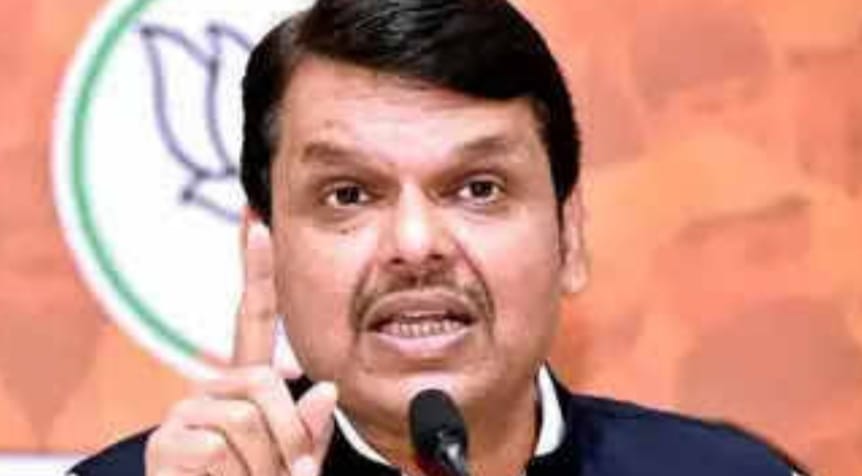
Mumbai, 10th June 2026: A two-day strike by private water tanker operators in Mumbai was called off on Tuesday evening following a meeting between representatives of the Mumbai Water Tanker Association and Maharashtra Chief Minister Devendra Fadnavis. The decision brought relief to millions of residents, businesses, and public services that had been affected by disruptions in water supply across the city.
The strike, which began at midnight on June 8, involved approximately 2,100 private water tankers that collectively supply around 550 million litres of water daily to Mumbai. The protest was launched over issues related to registration, licensing requirements, and regulatory action against tanker operators and well owners.
Association representatives stated that the Chief Minister assured them that notices issued to unregistered tanker operators and well owners, along with related enforcement actions, would be withdrawn. Following the assurance, the association agreed to resume normal operations.
The strike came at a challenging time for Mumbai, which is already facing a 10 percent water cut due to declining water reserves. According to official data, water stock levels in the city’s seven lakes had dropped to 12.85 percent of their total capacity by Tuesday morning, increasing concerns about water availability ahead of the monsoon season.
The disruption significantly affected transportation services and residential areas across the city. At Chhatrapati Shivaji Maharaj Terminus (CSMT), authorities reported difficulties in meeting daily water requirements after tanker supplies fell below normal levels. The station requires approximately 13 lakh litres of water every day, with more than half of its supply dependent on private tankers.
To manage the situation, Central Railway implemented contingency measures, including sourcing water from alternative locations and shifting train water-filling operations to stations such as Igatpuri, Panvel, and Bhusawal.
The impact was also felt on the Western Railway network. Railway officials reported a reduction of nearly 20 percent in water supplies at several stations. Dadar Terminus, which relies entirely on tanker water, faced acute shortages during the strike. Reports indicated that some trains departed without adequate water in washrooms, with replenishment taking place only after reaching stations in Gujarat, including Valsad and Surat.
Housing societies across Mumbai also experienced difficulties, with many forced to ration water usage. Residents reported increased tanker charges and concerns over the continuity of water supply during the strike period.
The Mumbai Water Tanker Association maintained that the protest was necessary to draw attention to operational challenges faced by tanker operators due to regulatory compliance issues. The association had argued that strict licensing and registration requirements were adversely affecting their ability to provide essential water services.
With the strike now withdrawn, tanker operators have resumed services across Mumbai, and normal water supply operations are expected to be restored. The resolution of the dispute has provided immediate relief to residents and public institutions, particularly as the city continues to grapple with low water reserves and awaits the arrival of the monsoon.
Authorities are expected to continue discussions with tanker operators to address regulatory concerns while ensuring uninterrupted water supply to Mumbai’s growing population.