Mumbai HC Directs Maharashtra to Frame Building Alteration Policy
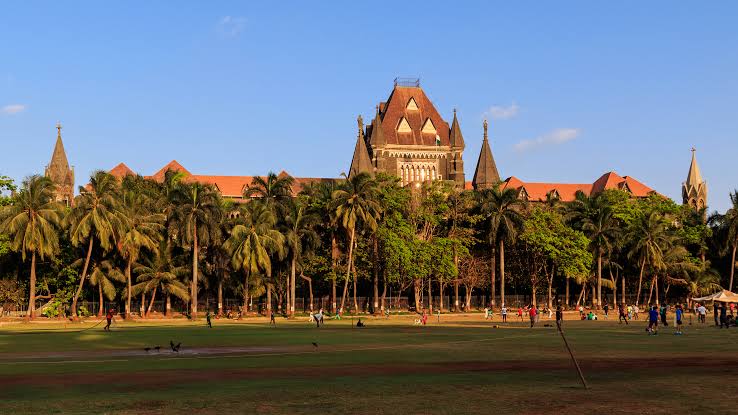
Mumbai, 18th July 2026: The Bombay High Court has directed the Maharashtra government to formulate a clear policy defining the types of alterations that apartment owners can undertake in residential buildings without obtaining prior permission from municipal authorities. The court observed that the absence of clear rules has led to widespread unauthorized structural modifications in residential societies.
The directions were issued by a division bench of Justice Ajay Gadkari and Justice Kamal Khata while hearing a petition filed by Ravindra Keni against alleged unauthorized alterations carried out by a resident of Neel Siddhi Amarte Housing Society in Kalamboli. The petitioner alleged that the Panvel Municipal Corporation (PMC) had failed to act despite repeated complaints.
Court Seeks Clear Guidelines
The High Court directed the state government to prepare a comprehensive policy clearly specifying what kinds of modifications residents may undertake without municipal approval. The court said the policy should specifically clarify whether residents can:
Install protective safety grills without prior permission.
Construct lightweight coverings on open terraces.
Divide or merge rooms using wooden or gypsum partitions.
Carry out other minor interior modifications without affecting the building’s structural stability.
The bench observed that such clarity would encourage citizens to comply with the law while reducing confusion and unnecessary disputes regarding permissible alterations.
Allegations of Unauthorized Construction
According to the petition, the concerned flat owner had allegedly enclosed an open terrace by constructing brick walls and installing metal sheet roofing. The resident was also accused of building permanent balcony sheds and demolishing internal walls to expand a bedroom, all without obtaining the required permissions.
The petitioner argued that these unauthorized constructions not only caused inconvenience to other residents but also raised serious concerns regarding the structural safety and stability of the building.
Action Against All Violators
During the hearing, the court was informed that several other residents of the same housing society had also carried out similar unauthorized modifications. Taking note of this, the bench rejected the argument that only one flat owner was being singled out.
The High Court directed the Panvel Municipal Corporation to inspect all unauthorized constructions in the housing society and take appropriate action against every violation within six months.
The ruling is expected to have wider implications for housing societies across Maharashtra, where unauthorized structural alterations are a common issue. Once the policy is framed, it is likely to provide uniform guidelines for homeowners, housing societies and municipal authorities while helping reduce legal disputes over building modifications.